Fishing in South Andros.
FISHING AREAS
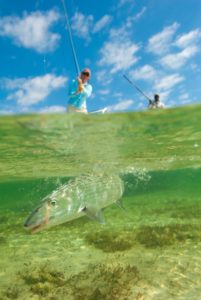
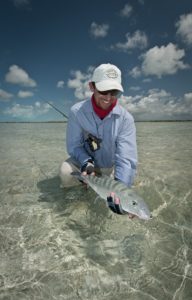
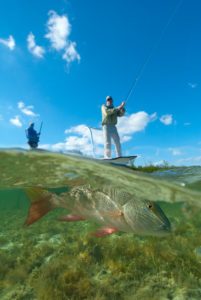
Bair’s is located on the east side of South Andros Island, Bahamas. The lodge is a five-minute skiff run north or south to Deep or Little creeks. Advantage: no trailering required. These easily accessed “cuts” open up to more than 120 square miles of flats, swimming with impressive populations of bonefish in the 4- to 6-pound class. Our sheltered creek systems are both habitat and fish rich, and they offer anglers appreciated weather reprieve if the wind kicks up. Little Creek connects to the island’s West Side, which can be reached by flats skiff in about 45 minutes. There you’ll find some of South Andros’ largest bonefish—adult specimens that have been known to reach the trophy 10-pound mark. This is where anglers with sharp skills go to stalk larger singles and doubles pushing into skinny water on favorable tides. The pristine, undeveloped zone is protected by Andros’ West Side National Park.
The southern flats, on the other hand, are home to some of the least-pressured fishing in the region. Grassy Creek is a 40-minute boat run from Bair’s. Weather permitting you can ride on to Hawksbill Creek and as far as Cistern Point. This area is renowned for bonefish in high numbers. Think endless wade-able flats, abundant schools, and very few competing skiffs and anglers.
-
- Brian Grossenbacher 14
-
- Brian Grossenbacher 49
-
- Rusty Chinnis Bairs 002 Copy
-
- Brian Grossenbacher 18
-
- CaranciBahamas2015 66
Seasons

THE DAILY PROGRAM
The typical trip does not fish on arrival or departure, but if time allows and guides are available, half-day trips can be arranged prior to getting here. Typically you’ll be shuttled from the airport to the lodge where you can check into your room, prepare gear, and spend an afternoon relaxing on the lodge grounds.
Here is a sample schedule of the daily program:
6:30 am Coffee ready at the buffet table
7:00 am Breakfast
8:00 am Depart dock
4:00 / 4:30 pm Return to lodge
4:00 pm Cocktail hour
5:30 pm Appetizers
7:00 pm Dinner
OUR GUIDES
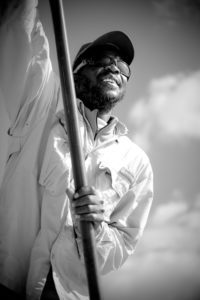
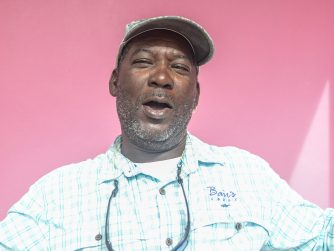
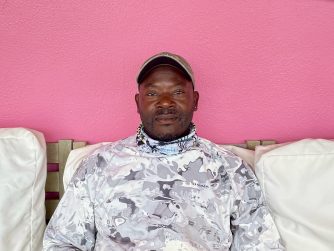
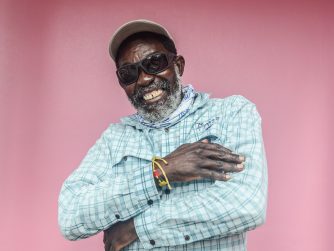
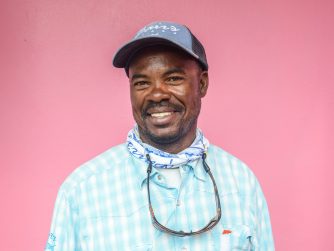
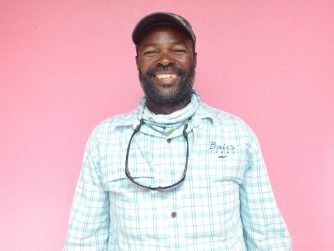
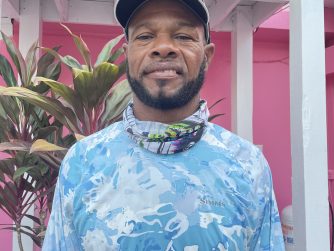
Each day, your guide decides where to go based on weather conditions and guest suggestions. You should express any special preferences to the lodge manager, such as wading versus boat fishing. If you only want to target large individual bonefish, or if you prefer to fish to large schools of fish, just let us know. We’ll work with your guide and try to tailor your day accordingly!
-
- Leslie 1 scaled
-
- Jason scaled
-
- Harley scaled
-

- Gary 1 scaled
-
- Chris 2 scaled
-
- Ronnie scaled
-
- Locklsey scaled
EQUIPMENT
Bonefish: We recommend 9ft, 7-8wt. rods. Under normal conditions, you can make a delicate presentation with a 7-wt. rod, a long leader, and an un-weighted fly. A fast 8-wt, on the other hand, helps you punch flies through the wind. Use saltwater capable reels with adjustable drags and capacity for 150 yds. of 20lb. test backing. Weight-forward bonefish lines should be paired with fluorocarbon leaders. A general rule of thumb is 16’ 16 lbs for leaders. Bring extra leaders and a few spools of tippet in the 8-15lb. range. Fly wise, the list of options is endless and selections depend on the kind of flat you are fishing, its bottom color—turtle grass or sand—and depth. A few we wouldn’t want you to go without include: Puglisi’s spawning shrimp, Miehieve’s Flats Fly, Kwabbit, mink shrimp, Veverka’s mantis shrimp, spawning mantis, and of course the Gotcha.
Predators: For barracuda and sharks you want a stout leader with a wire bite-tippet, about 12 inches long. Use a haywire twist to combine sections of mono to wire. Flies for ‘cudas include any and all needlefish imitations. For sharks, we like large poppers in blood-red or other bright, attention-grabbing colors. The topwater takes are awesome.
Sage produces many of the rods we use regularly. In addition to a great lifetime warranty, the company engineers high-performance options perfectly suited for this fishery.
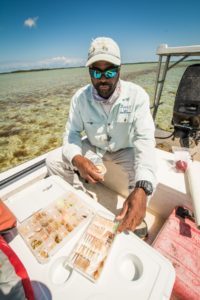
Skiffs: A brand new fleet of high-performance Maverick Mirage HPX-Vs awaits you at Bair’s Lodge. These technical poling skiffs have stealthy, extremely quiet hulls that draw minimal water when pushing toward tailing bonefish in the ultra-skinny stuff. Open-water handling, on the other hand, is unparalleled: fast and smooth in the surliest conditions. Additional angler-appreciated details include lean bars and removable cushioned YETI coolers—because nobody wants lukewarm beers.
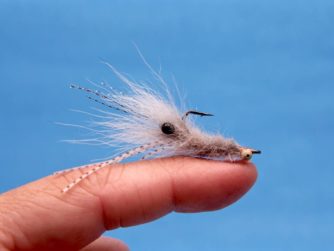
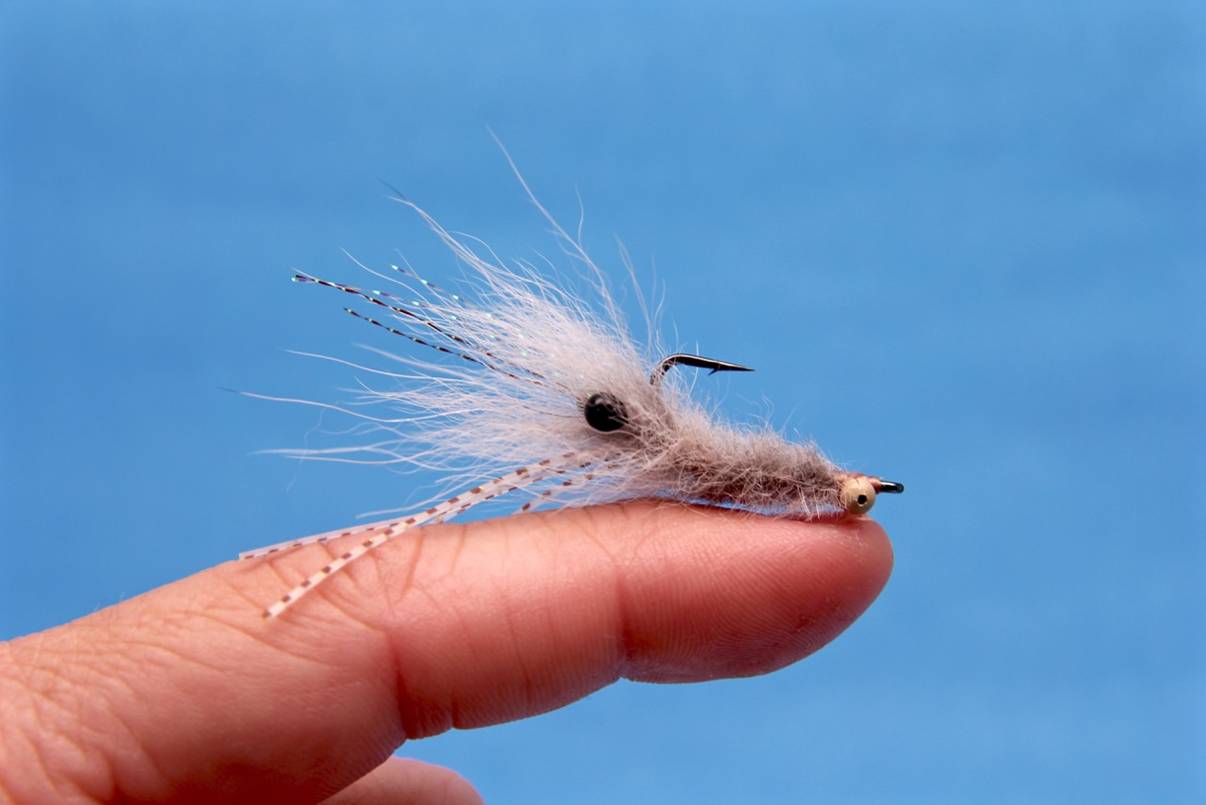
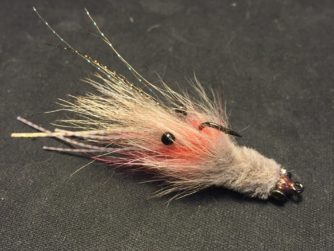
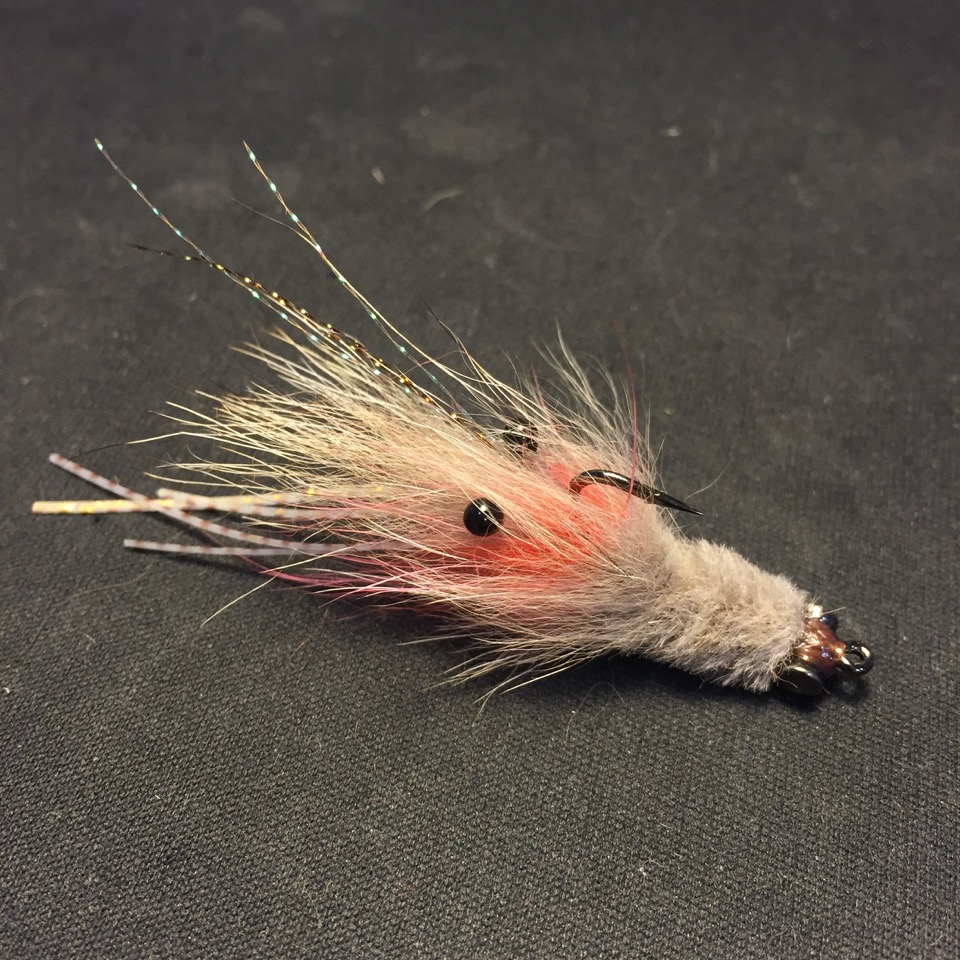
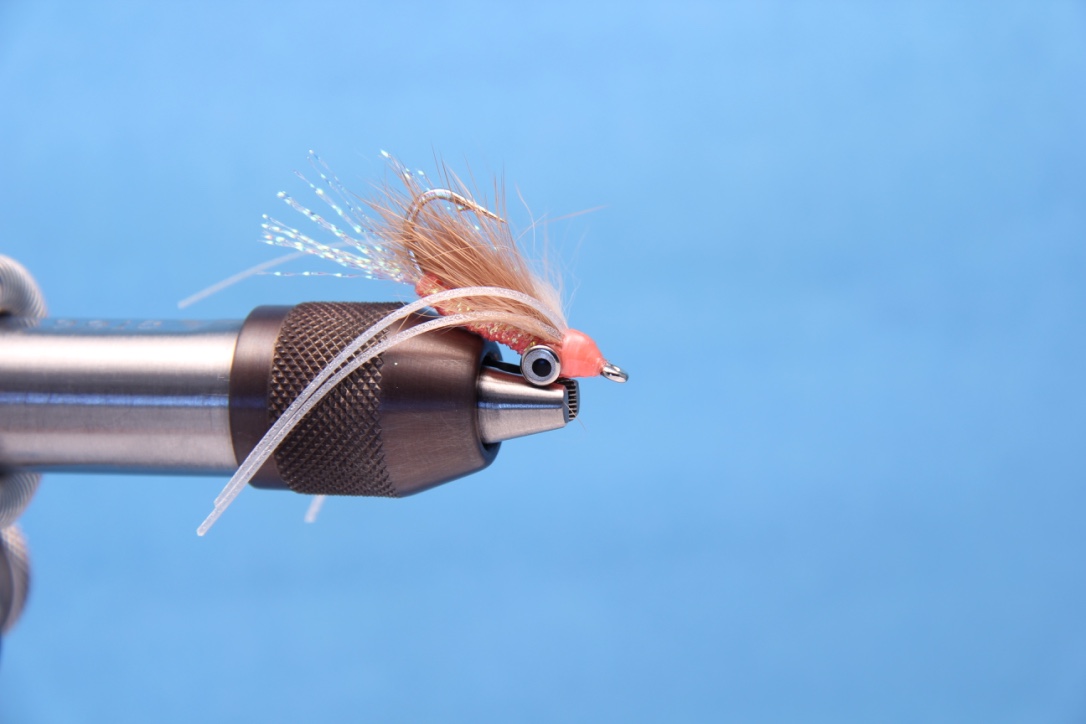
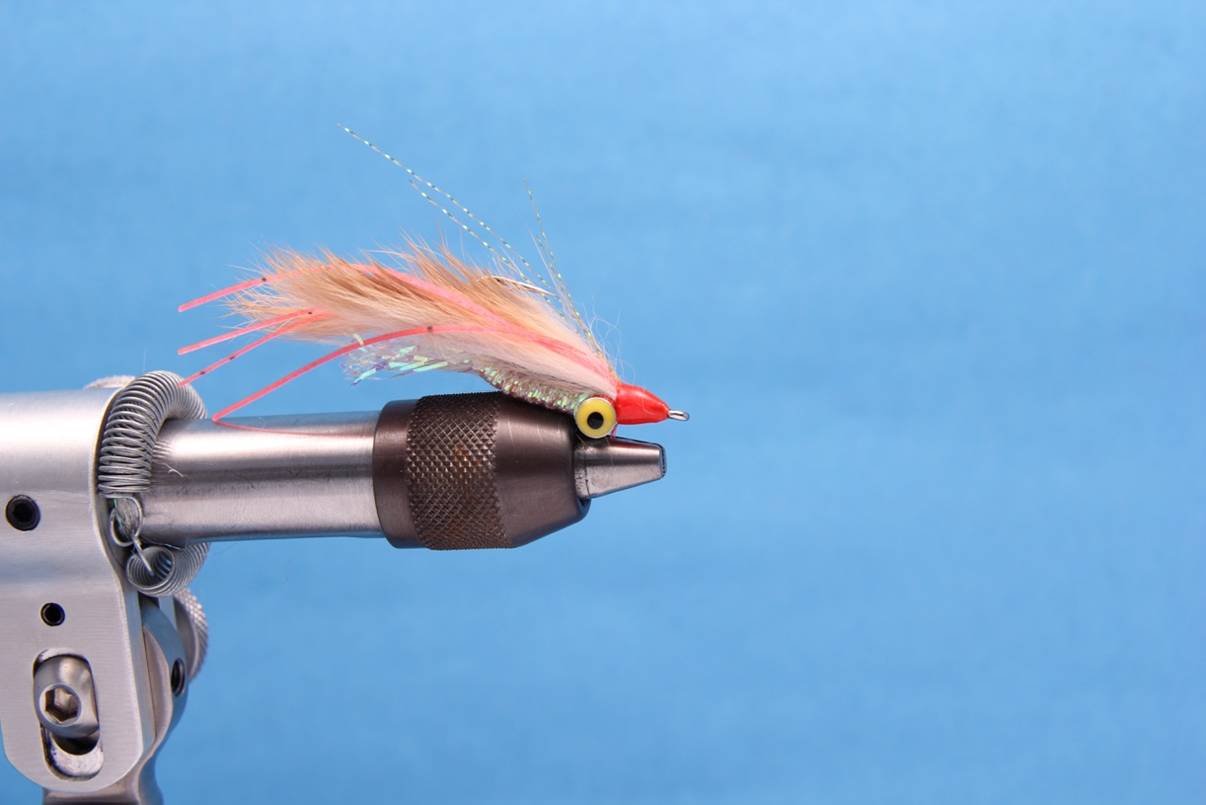
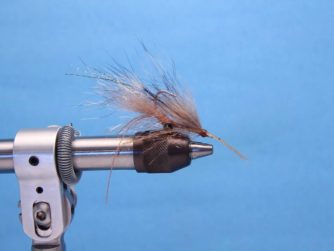
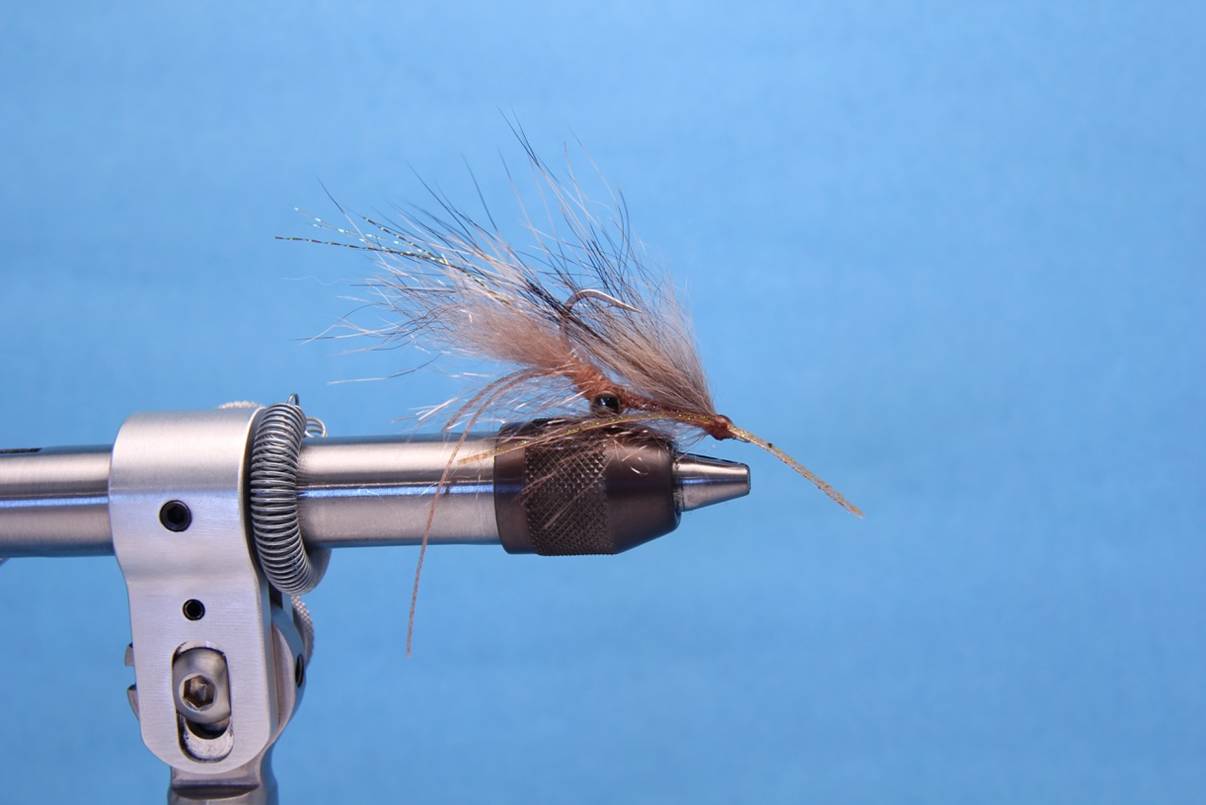
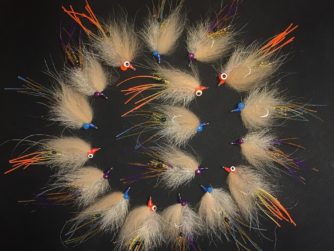
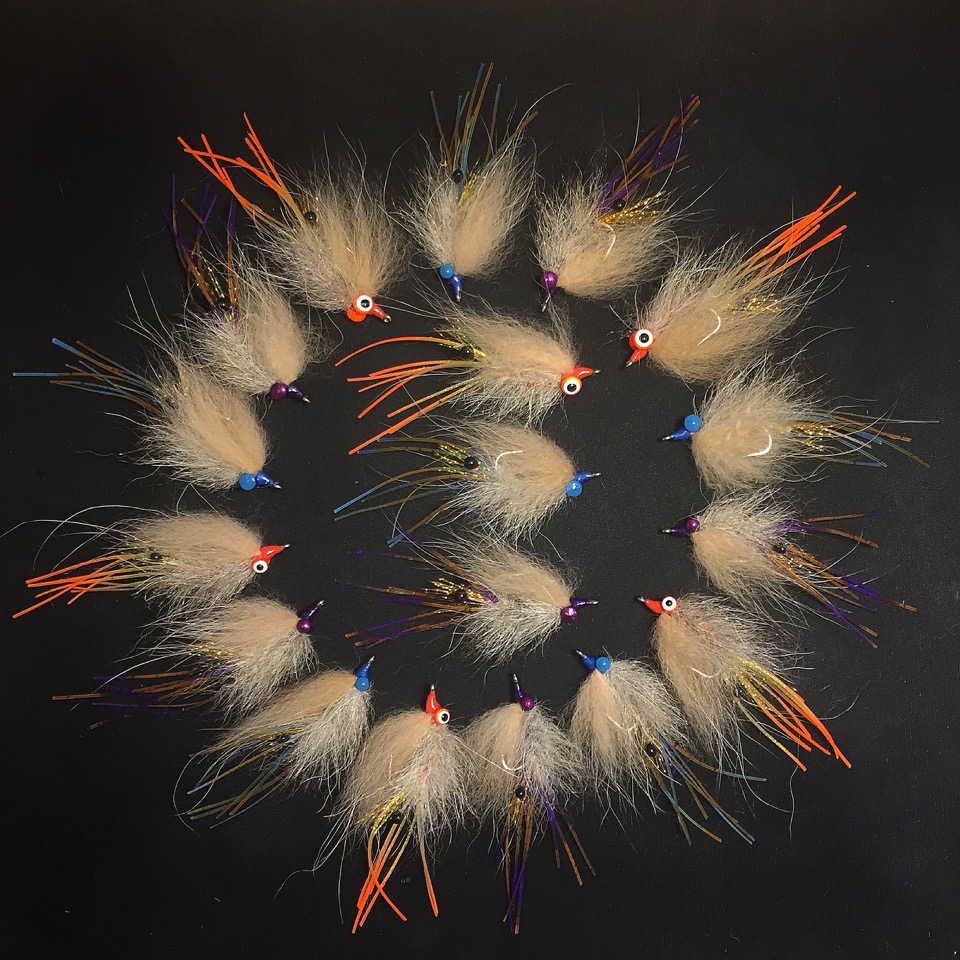
CUSTOM FLY OPTIONS FROM DREW CHICONE
- Chicone’s Coyote Ugly Hook: Size – 4, 6 I Color: Regular (Tan) & Spawning (Tan & Orange)
- Coyote Ugly Spawning Shrimp Hook: Size – 4, 6 I Color: Regular (Tan) & Spawning (Tan & Orange)
- Chicone’s Bone Appétit Hook: Size – 2, 4 I Color: Pink, White, Tan, Orange.
- Chicone’s Tranqu-Hill-izer Shrimp Hook: Size – 2, 4 I Color: Hot Orange
- Chicone’s Cocaine Coyote Squimp Hook: Size – 4, 6 I Color: Tan
- Chicone’s Tide Slave Hook: Size – 2, 4 I Color: Orange, Blue, Purple
-
- image001
-
- IMG 3714
-
- thumb IMG 2504 1024
-
- image002
-
- image004
-
- IMG 4516
If you wish to buy some of these flies prior to your trip, or if you are looking for more information, you should visit Drew Chicone’s website.